Creating a collaborative space for learning about history and culture
Amplifying voices, individual experiences, and perspective from below
Decentering the curriculum of Eastern Europe by diversifying primary sources
Bridging academic and public audiences
Sharing reflections on learning and teaching about Eastern Europe
Last added
Minutes of the closed party meeting of the primary party organization of the Svitoch All-Union Association
This document presents the minutes of a closed party meeting of the primary party organization of the Svitoch Confectionery Industry Association in the Shevchenkivskyi District of Lviv, held on June 13, 1989. Only party members and candidates for party membership attended. The sole agenda item was party-political work amid the reforms of perebudova (perestroika). The minutes record speeches by the secretary and deputy secretary of the association’s party committee, the secretaries of the workshop party organizations, the head of the trade union, and the association’s general director. Ukrainian was the predominant language used at the meeting. The keynote speaker — the secretary of the Svitoch Association’s party committee and a member of the...
Minutes of the Сonference of Labor Inspectors on Issues Related to Women and Youth in the Workforce, 1939
This source provides an excerpt from the transcript of a conference of female labor inspectors in Lviv, which focused on women’s labor and the care of their young children. The transcript captures a discussion among female scholars and practicing labor inspectors about needed changes. All participants in the discussion are women, highlighting the significant role women played in the civil service as advocates for care and welfare for vulnerable groups, even as key decisions regarding resource allocation remained in the hands of male professionals. In the Second Polish Republic, the Labor Inspectorate under the Ministry of Social Welfare was established in 1919, and legislation concerning women’s and adolescents’ labor was introduced in the...
Vocational Rehabilitation of World War I Veterans with Disabilities
Both documents presented below are excerpts from the public discourse on the reintegration of soldiers maimed on the battlefields of World War I, which was invariably linked to productive work and self-reliance. The scale of the war, the introduction of new weaponry, and advances in medicine resulted in an unprecedented number of veterans with disabilities, particularly amputees. As social problems deepened, economic crises unfolded, and labor shortages worsened, the countries involved in this global conflict were compelled to reconsider their approach to supporting wounded soldiers. This led to a shift away from a paternalistic, welfare-based model toward one focused on rehabilitation and social protection. Rehabilitation systems in various countries were designed not only...
The Rescue of Jewish Workers in Boryslav
The Boryslav oil and ozokerite industry, which emerged in the latter half of the 19th century, employed around 9,000 workers by century’s end. This workforce was diverse, both ethnically and professionally. Many workers were Ukrainians from nearby villages who took seasonal jobs in the oil mines. Polish workers, often from Western Galicia, usually arrived temporarily to fill more skilled roles. Jewish workers accounted for about a third of the workforce and were generally involved in surface tasks, particularly ozokerite purification. A notable segment of the Boryslav community comprised Jewish middlemen — cashiers responsible for hiring other workers, paying wages, supervising the mines, and providing infrastructure such as housing and shops. In the 1880s,...
“Perestroika” at Lviv Enterprises, an Interview from the “Industrial Biographies of the City” Collection
The materials presented here are excerpts from interviews with workers in Lviv’s radio-electronic, machine-building, processing, light, and food industries. These interviews are part of the Un/Archiving Post/Industry project, carried out in 2020–2021, which aimed to collect surviving materials related to the industrial heritage of the Lviv and Donetsk regions and to foster dialogue between generations, regions, and institutions. The recorded bibliographic conversations have been incorporated into the Urban Media Archive’s oral history collection, “Industrial Biographies of the City.” This collection preserves respondents’ memories and reflections on their childhoods and families, the city, education, work, and society, dating back to the 1950s. The selection of quotes listed below spans the period of Perestroika, the...
Transition from a Planned to a Market Economy at Lviv Enterprises: Interviews from the “Industrial Biographies of the City” Collection
The materials presented here are excerpts from interviews with workers in Lviv’s radio-electronic, machine-building, processing, light, and food industries. These interviews are part of the Un/Archiving Post/Industry project, carried out in 2020–2021, which aimed to collect surviving materials related to the industrial heritage of the Lviv and Donetsk regions and to foster dialogue between generations, regions, and institutions. The recorded bibliographic conversations have been incorporated into the Urban Media Archive’s oral history collection, “Industrial Biographies of the City.” This collection preserves respondents’ memories and reflections on their childhoods and families, the city, education, work, and society, dating back to the 1950s. The following selection of quotes covers the period of Perestroika, the 1990s,...
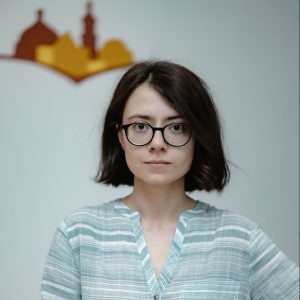
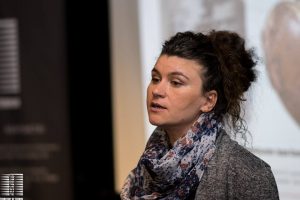
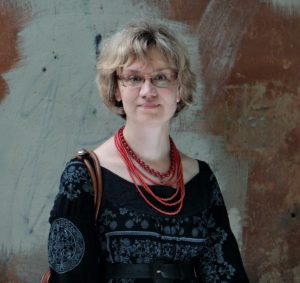
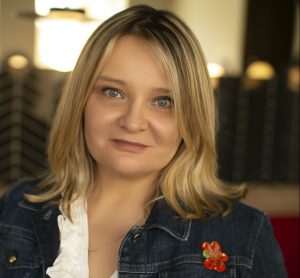
Authors











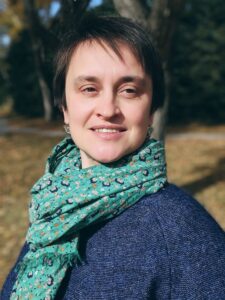
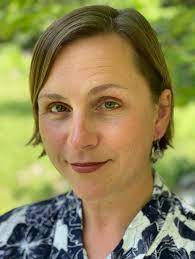



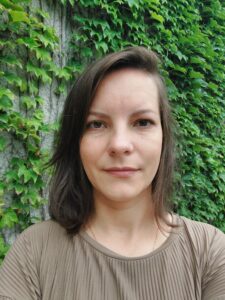

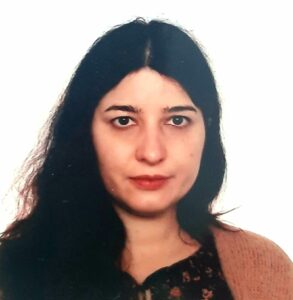






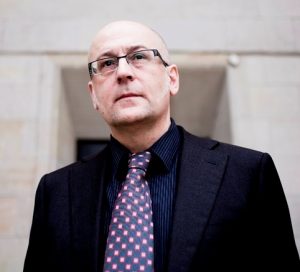

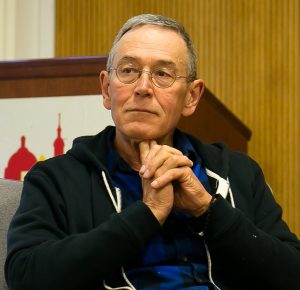
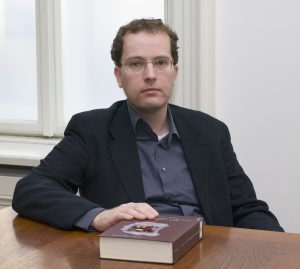




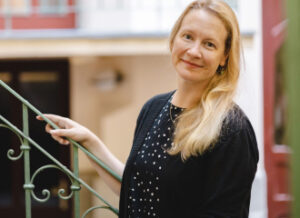
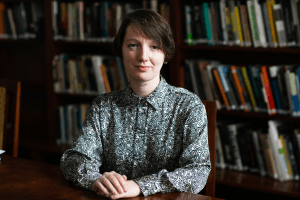

Partners and support





FAQ
How to cooperate with the Educational Platform?
We invite university instructors, Ph.D. students, and all history lovers to participate in the development of the Platform and the use of its resources in teaching and learning about Central and Eastern Europe.
How to get materials from the Educational Platform?
You can get digital materials by registering and creating your own account or by sending a letter to edu@lvivcenter.org After that, you can freely download materials from our resources.
Can I become the author of an educational module or share my own sources with the Educational Platform?
We will be happy to work with researchers who have experience working with archival and private collections and have had direct access to sources or hard-to-reach archives. Please contact edu@lvivcenter.org with proposals for cooperation.
What are the conditions for using the resources of the Educational Platform?
We adhere to the Creative Commons license for the use of copyright objects (CC BY-NC-ND). It means we allow users to upload content and share it with others, as long as they give credit to the authors and don’t use these materials for commercial purposes.