
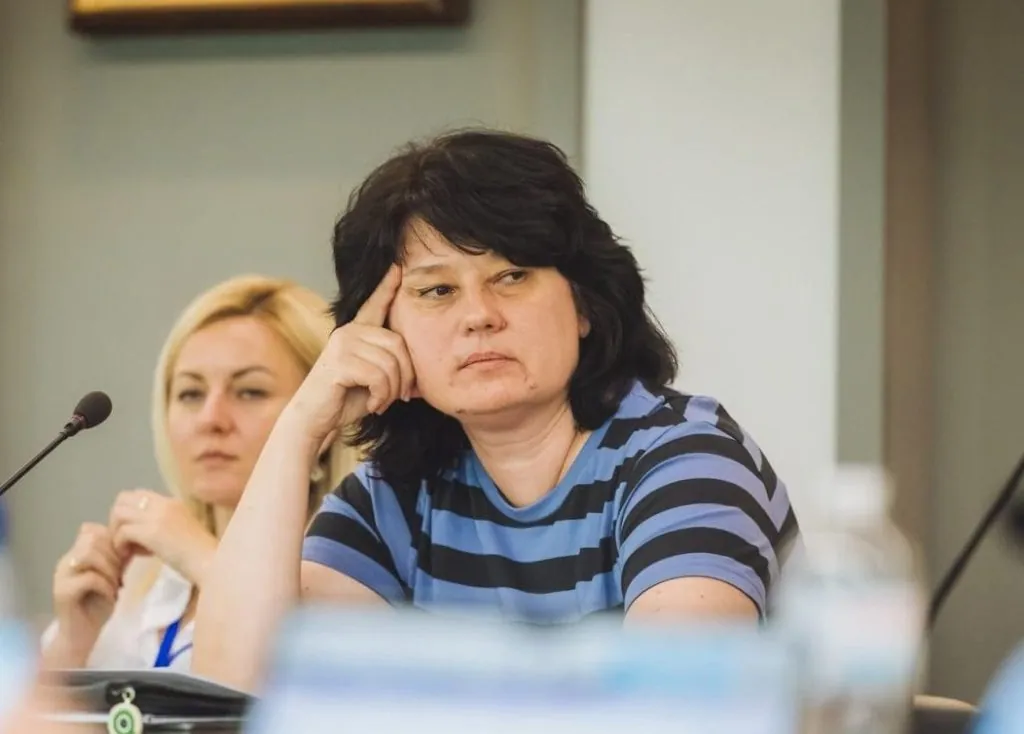
Iryna Savchenko
PhD in History, Associate Professor at the Department of Ancient and Modern History of Ukraine and Methods of Teaching History, Zaporizhzhia National University. Member of the Ukrainian Association for Research in Women’s History and the Ukrainian Oral History Association. Research interests: women’s history, gender anthropology, oral history, history of everyday life, and institutional history.
Related sources:
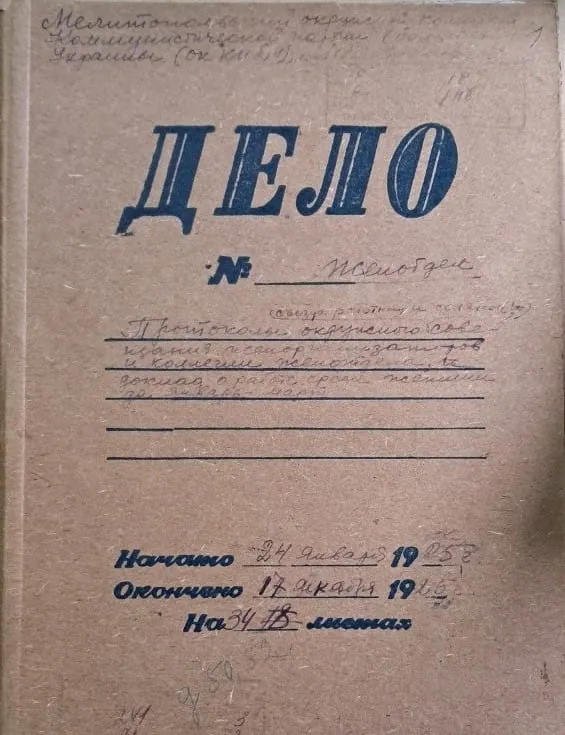
Minutes of the Okruha Congress of Women Workers and Peasant Women of the Melitopol Okruha, November 15–17, 1925
The 1920s marked an era when women’s emancipation became central to the Soviet project of social transformation. Eager for rapid modernization, the Soviet government launched sweeping initiatives to address the “women’s issue”. Ambitious campaigns sought to boost the number of women in government and the Bolshevik Party, encourage their active role in public life, and broaden their professional employment opportunities. To “overcome backwardness”, women were urged to attend literacy schools, join clubs and political education classes, and read specialized periodicals. A complex administrative structure was set up for women’s emancipation, with okruha women’s departments and local women’s organizers overseeing grassroots efforts in administrative units and workplaces. Delegate assemblies were established to drive large-scale...